For expert advice  call 01832 770883

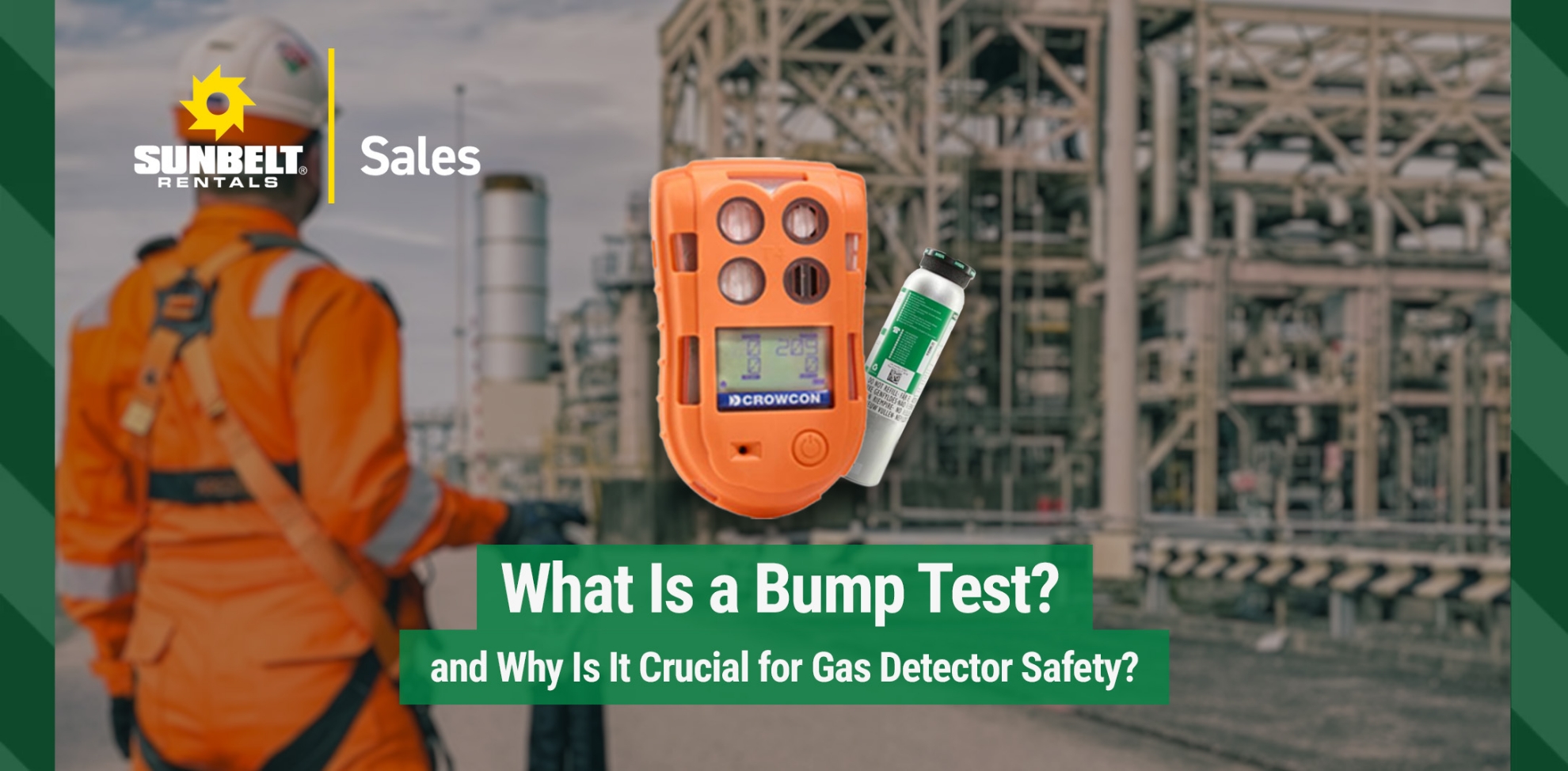
When it comes to working in environments where hazardous gases might be present, there’s no room for guesswork. Gas detectors are essential tools for keeping teams safe, but even the most advanced devices need regular checks to make sure they’re still doing their job.
A bump test is a quick and simple way to confirm that your gas detector is responding to gas and that the alarms are working as expected. It’s a step that can easily be overlooked, yet it’s one of the most important things you can do before starting work. Let’s find out more in our handy guide…
The main purpose of a bump test is to verify that a gas detector’s sensors and alarms are functioning correctly. It’s a functional test, meaning it checks how the detector responds when exposed to a known concentration of gas.
When you perform a bump test, you’re looking to see whether the sensors react and whether the alarms are triggered in response. This shows you that the device is ready for use and will alert you if dangerous gas levels are present. It’s a quick way to catch problems early before heading into potentially hazardous areas.
Performing a bump test before each use is one of the most reliable ways to stay safe. Gas detectors can be affected by exposure to extreme temperatures, high humidity, physical shocks, and even storage conditions. A sensor might appear to be working on the screen but still fail to detect gas properly.
Bump testing is straightforward and usually takes just a few minutes. While the exact process can vary depending on the make and model of your detector,
If your detector fails to respond or the alarms don’t activate, it should not be used until it has been inspected, recalibrated, or replaced.
While bump tests are essential, they are not a replacement for full calibration. A bump test tells you whether the detector responds to gas, but it doesn’t tell you how accurately it is reading the concentration. In other words, a bump test checks function, not precision. If the reading is slightly off or the sensors have drifted over time, you won’t see that in a bump test. This is why regular calibration, as recommended by the manufacturer, is still necessary alongside daily bump testing.
A bump test might only take a few minutes, but its importance can’t be overstated. It’s the best way to make sure your gas detector is ready to protect you when it matters most. Skipping it is like heading into a storm without checking that your umbrella works. For workers in high-risk environments, it’s a simple step that could save lives.
At Sunbelt Sales, we stock a wide range of reliable gas detectors, test gases, and accessories to help you stay compliant and confident on the job. If you’re not sure how to perform a bump test on your specific model or need help choosing the right kit, get in touch with our expert team today. We’re here to help you work smarter and safer, every day.